

Geography
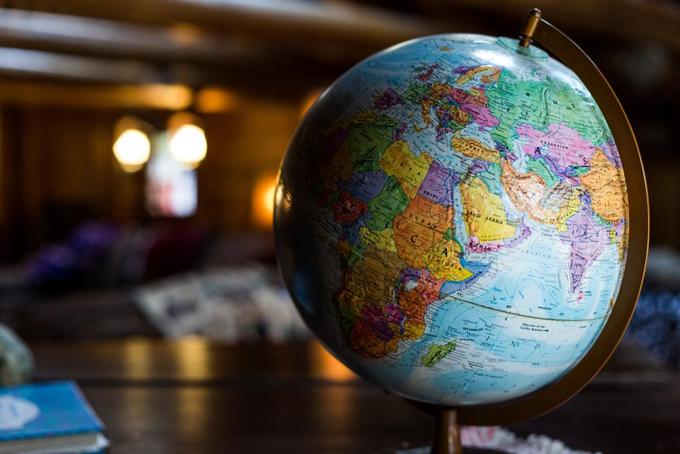

At Widden Primary School, we empower children to explore the world through Geography and become geographers, all while embracing our core values of diversity, community, and integrity. Our curriculum builds essential skills in mapping, environmental awareness, and problem-solving, nurturing an understanding of climate change and human impact. By integrating sustainability principles such as responsible resource use and waste management, we prepare every child to thrive in an ever-changing world and contribute positively to our vibrant community.
Achieve
Children achieve in Geography by actively engaging with their local and global environments. They develop skills in mapping, observation, and data collection, which help them understand complex environmental challenges. Through hands-on projects, they learn to investigate issues like climate change, water conservation, and resource management. By applying sustainability principles—such as using resources responsibly, reducing waste, and promoting eco-friendly practices—students become proactive problem solvers. This practical approach, rooted in our values of diversity, community, and integrity, ensures that every child not only learns geography but also grows into an informed, responsible global citizen.
Resilience
In Geography, children will show resilience by persisting through challenging tasks such as mapping complex areas or analysing environmental changes. They learn to adapt when their initial ideas don’t work, using setbacks as opportunities to try new approaches and improve their understanding. Collaborative projects and school trips also encourage them to work through difficulties together, reinforcing their ability to bounce back and keep exploring, no matter the challenges.
Progressive
In the early years, children begin to explore their local surroundings through simple mapping activities and by identifying basic features of their environment. In KS1, learners expand on these skills by creating maps of familiar areas and discussing key geographical features, linking what they observe to their everyday experiences. In KS2, children engage in more complex investigations, analysing environmental changes and human impacts, and proposing solutions to real-world challenges. This progression ensures that every learner is supported and challenged as they grow into confident geographers.
Community
We recognise the importance of fostering a sense of community both within the classroom and in the wider world. Geography offers children the chance to understand the connections between people, places, and environments. Our curriculum emphasises collaboration, communication, and respect for different viewpoints, encouraging children to work together on geographical investigations and solutions. We aim to cultivate responsible global citizens who recognise their role within local and global communities.
Diversity
Our Geography curriculum celebrates the diversity of people, cultures and environments. We aim to expose children to a broad range of geographical perspectives, encouraging them to appreciate the varied ways in which communities interact with their surroundings. By exploring global issues and understanding the diverse nature of the world, students develop empathy and respect for the experiences of others, both near and far. We strive to create a learning environment where every child feels valued and able to express their perspectives.
Equity
Equity is a core value in our Geography curriculum, ensuring that all children, regardless of background or ability, have access to the same high-quality geographical education. We recognise the importance of providing support to those who need it, ensuring all children can access and succeed in the curriculum. We also strive to explore issues of social justice, global inequalities, and the ways in which geography can be a tool for promoting fairness and equality around the world. Our aim is for every child to feel empowered to engage with the subject, regardless of their starting point.